When Your Earliest Reported Date of Use Isn’t What You Thought, but Still the Earliest Reported Date
I spotted these documents in the group lot I bought from Wayne Gehret at Indypex, but I didn’t spend a lot of time examining them in the moment. I just know that *ANY* 1862-dated revenue-stamped document is of interest.
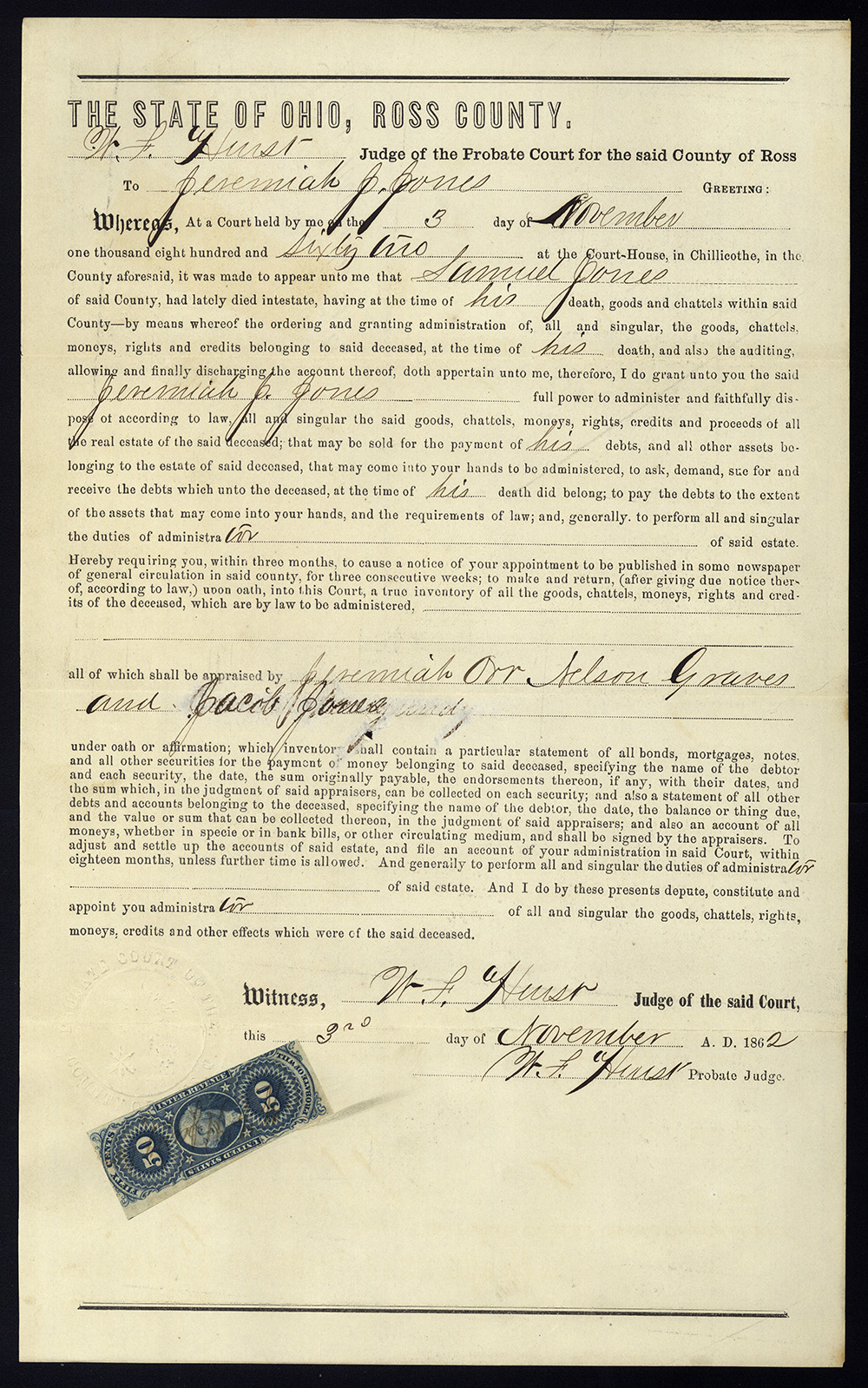
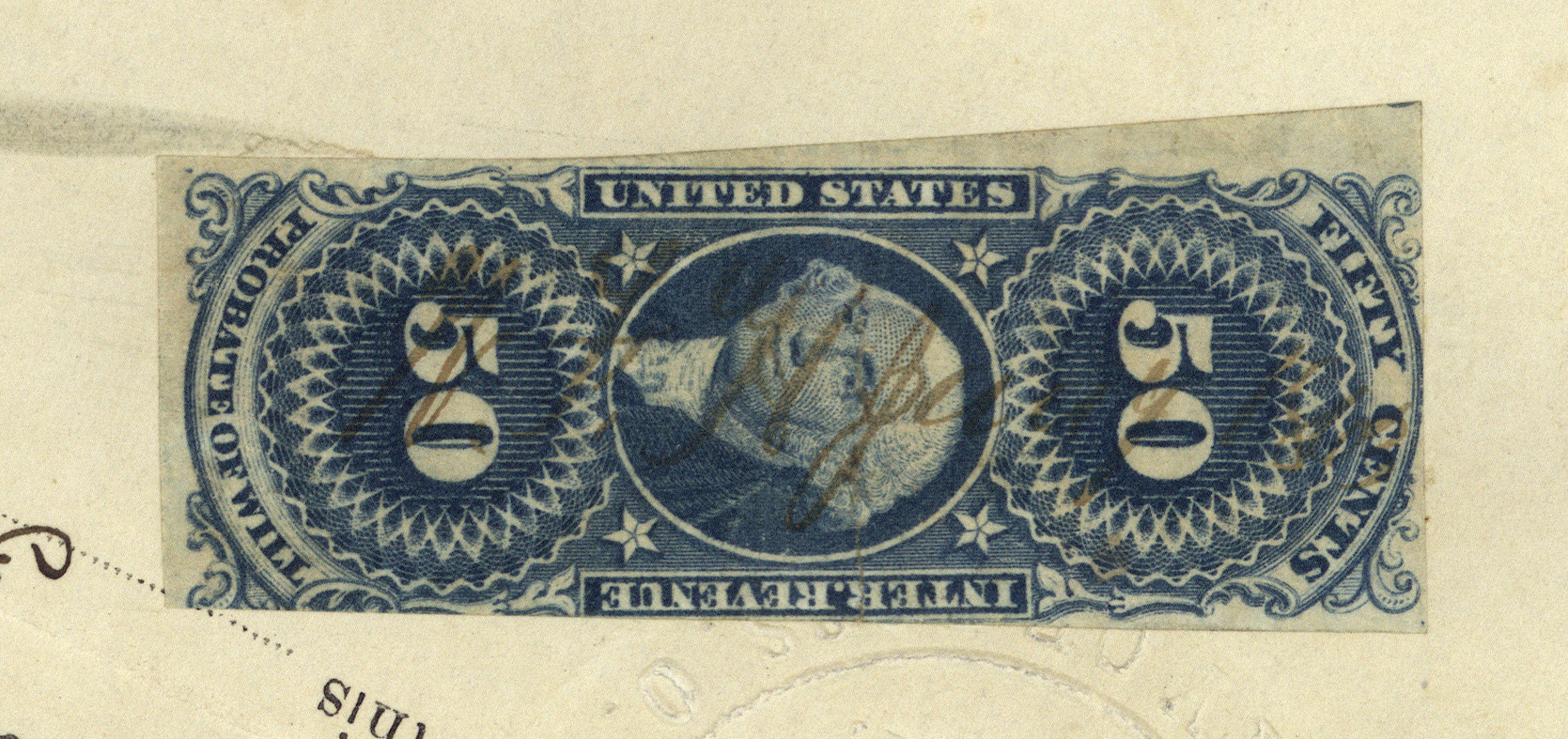
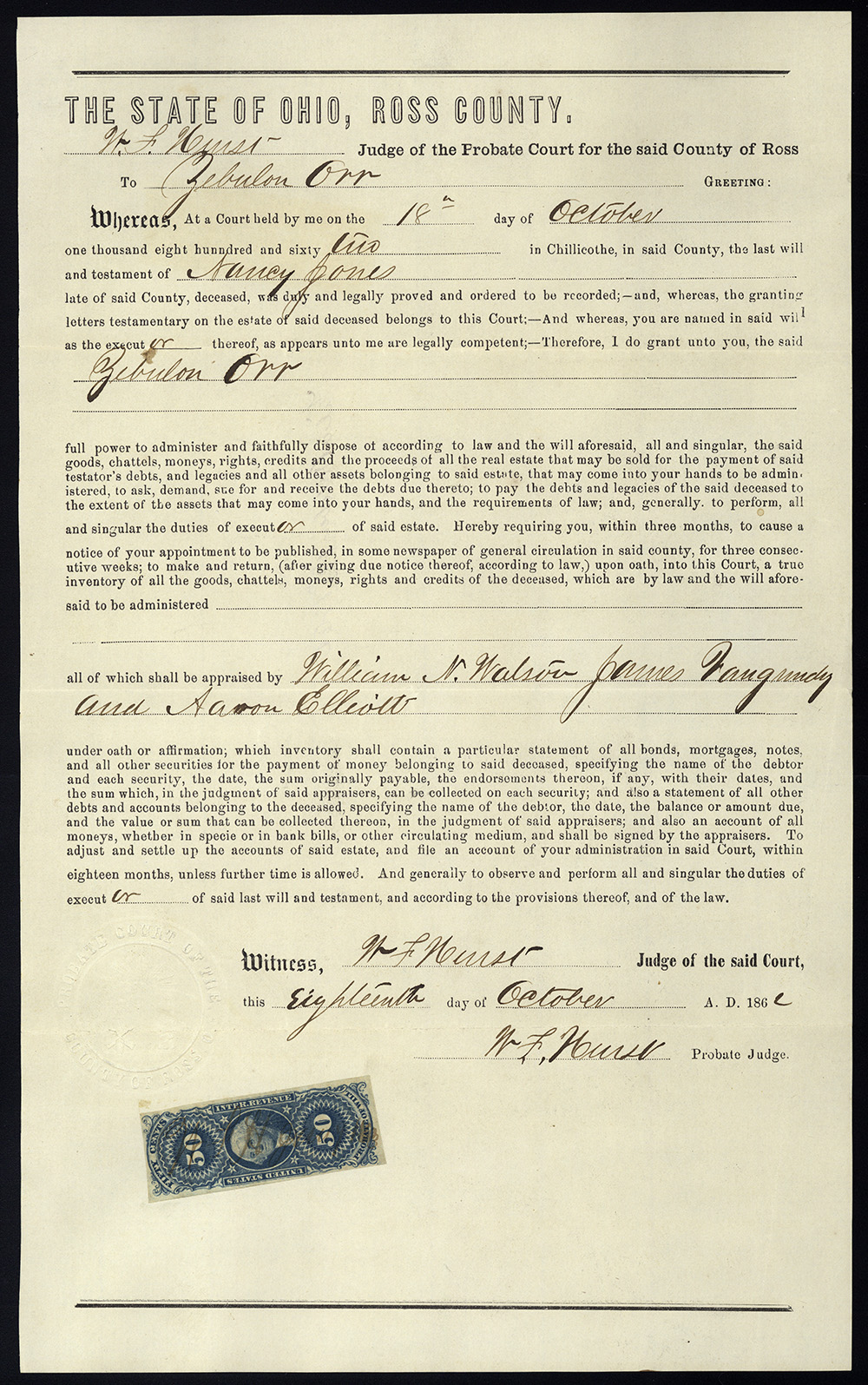
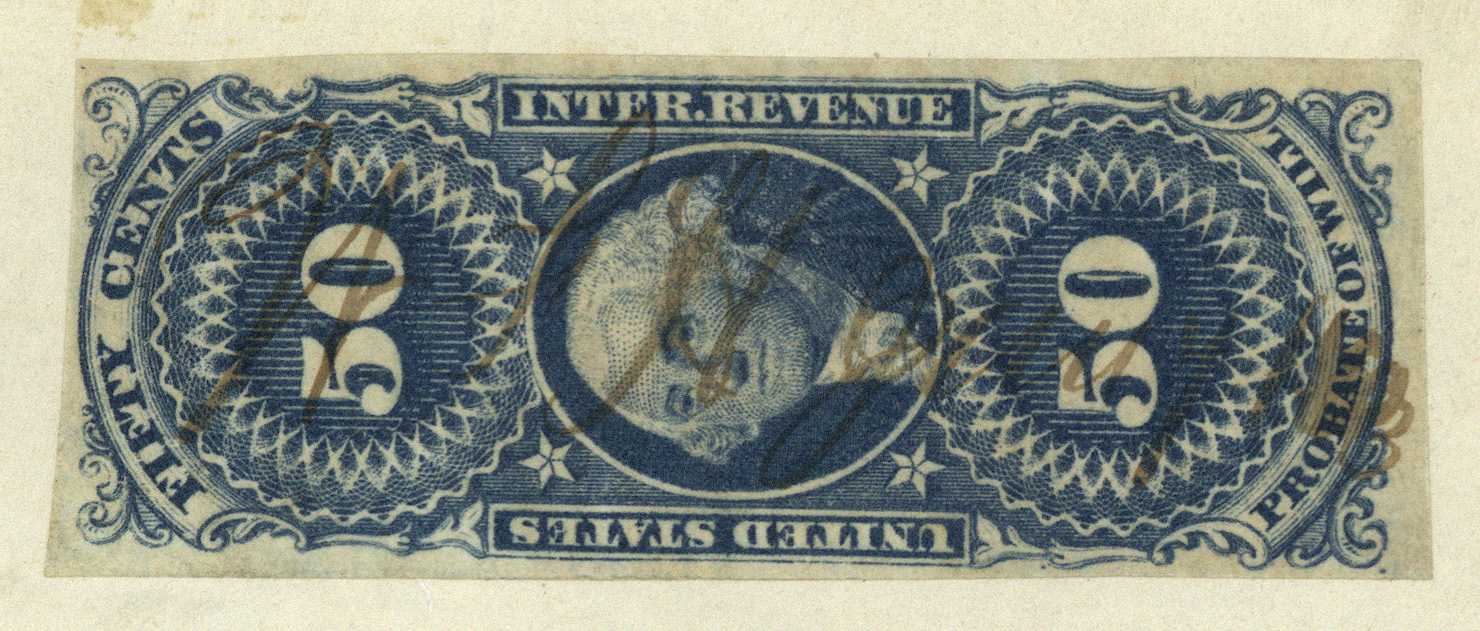
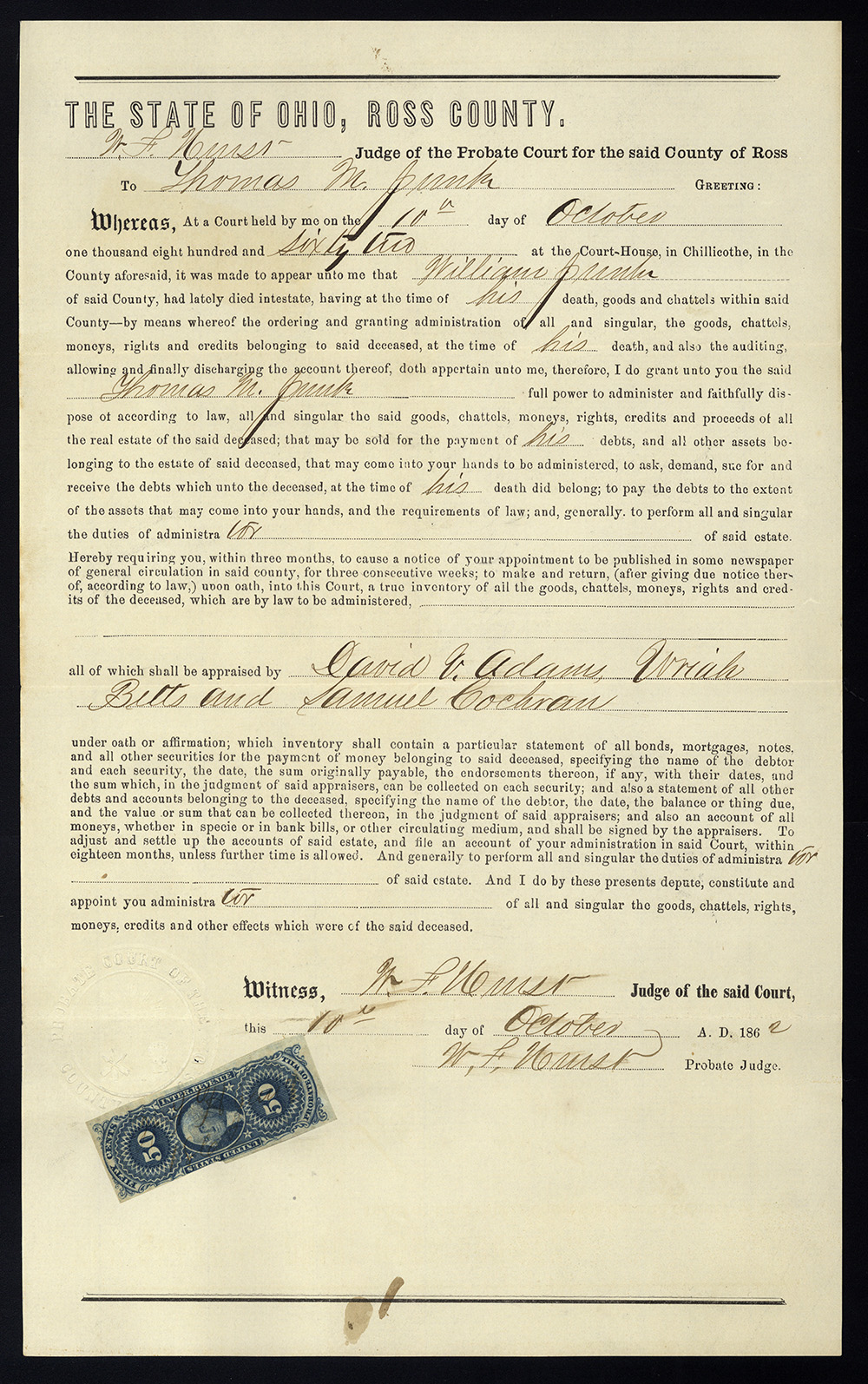
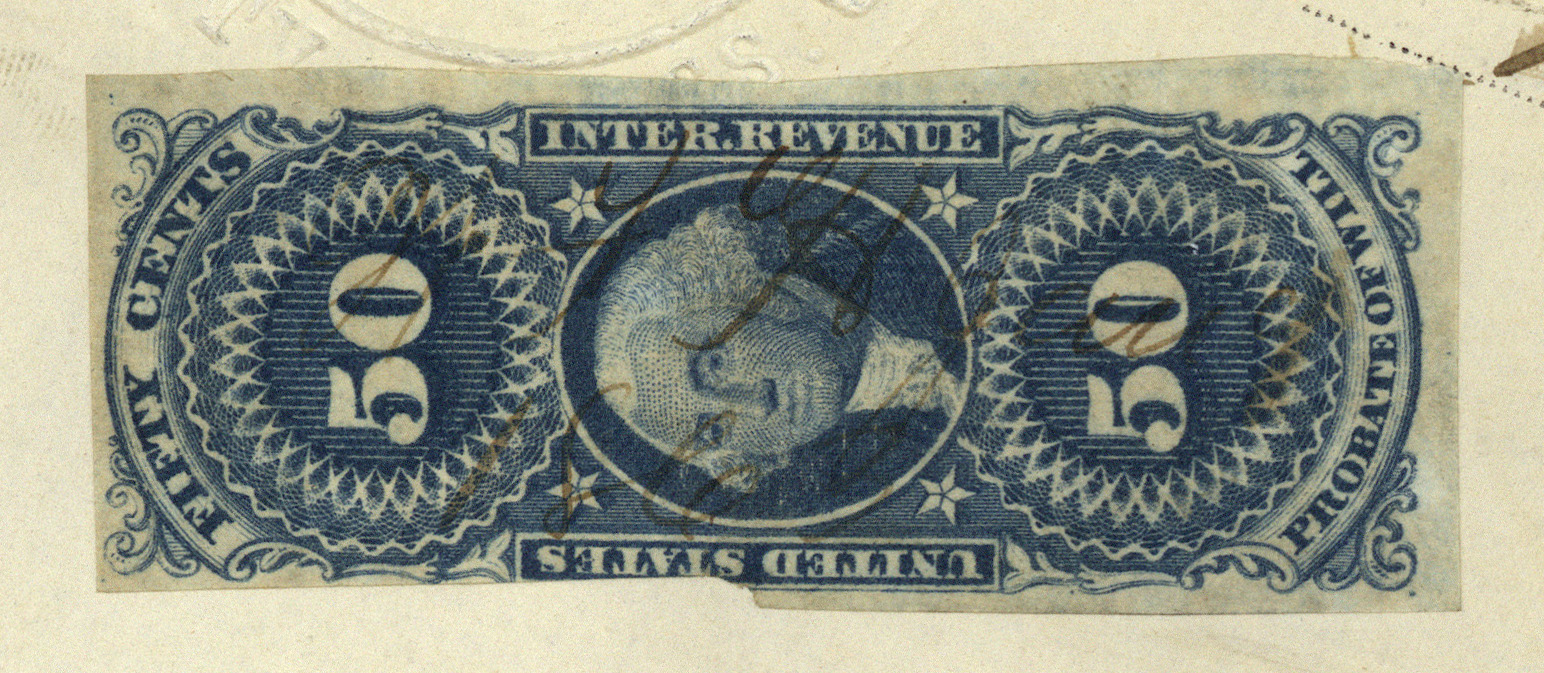
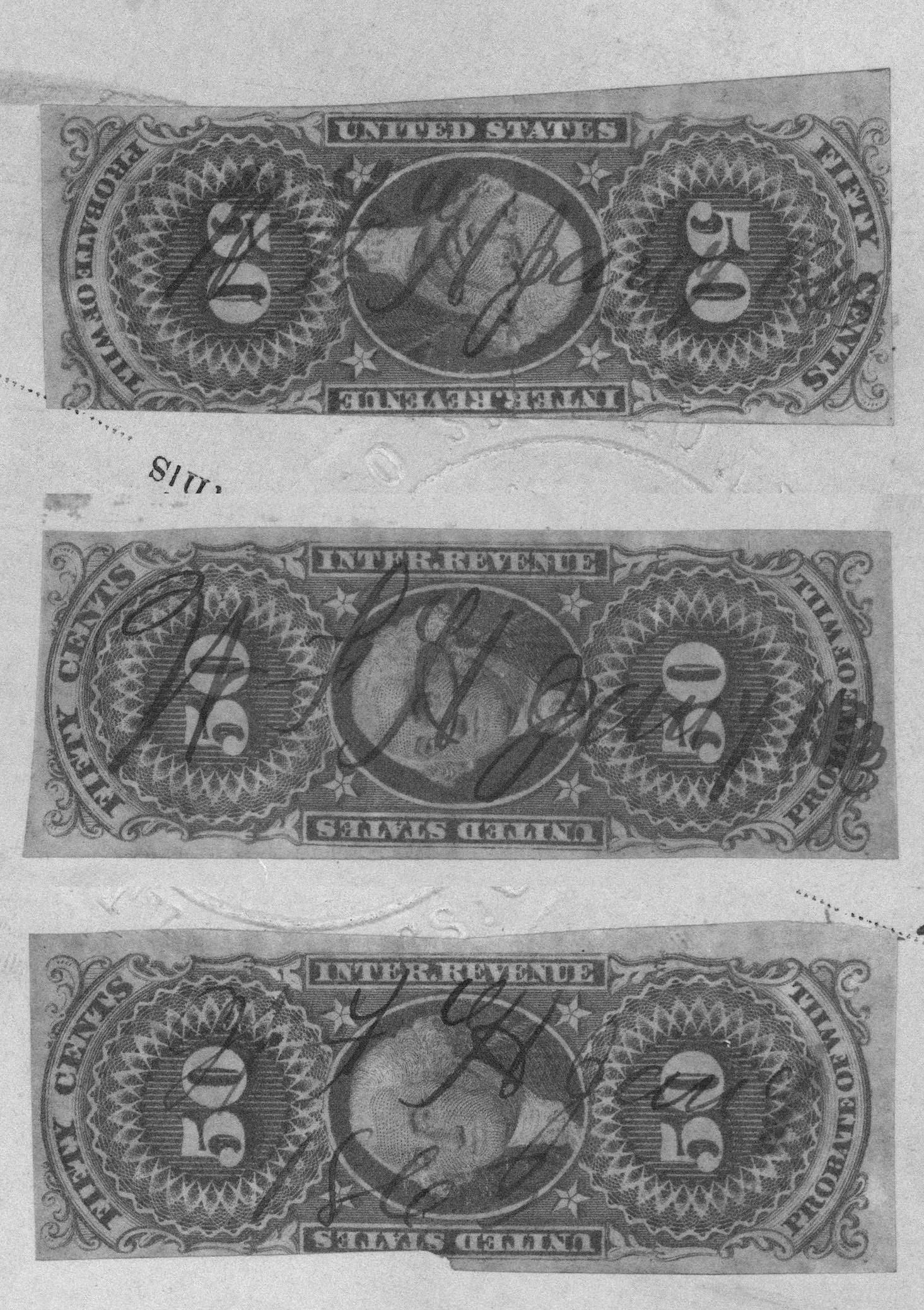
It’s a group of three probate of will documents from Ross County, Ohio, dated November 3, October 18, and October 10, 1862… EXTREMELY early. All are franked with 50-cent Probate of Will imperforate stamps, so EMUs (early matching usages) since that was required by law at that point in time (requirement rescinded in December of 1862).
So, I looked up the Probate of Will section in Mike Mahler’s essential book “A Catalog of Revenue-Stamped Documents of the Civil War Era by Type and Tax Rate”, published by The American Revenue Association in 1999.
That book has the earliest reported Probate of Will EMU as January 12, 1863, so I was thinking “Wow! I’ve blown past that!” But then I figured “waitasec…” and took a look at The Boston Book, and per that source, the earliest delivery of 50-cent Probate of Will stamps took place on November 24, 1862… considerably after the dates in question, so I looked closer.
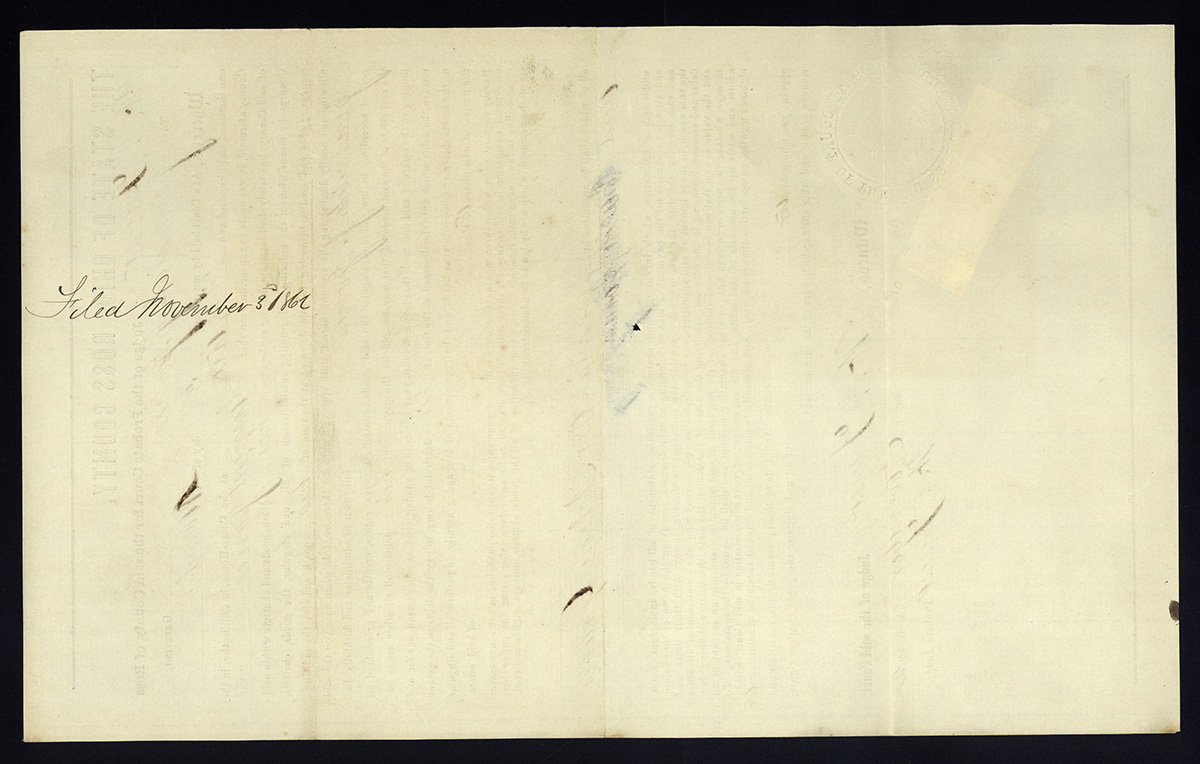
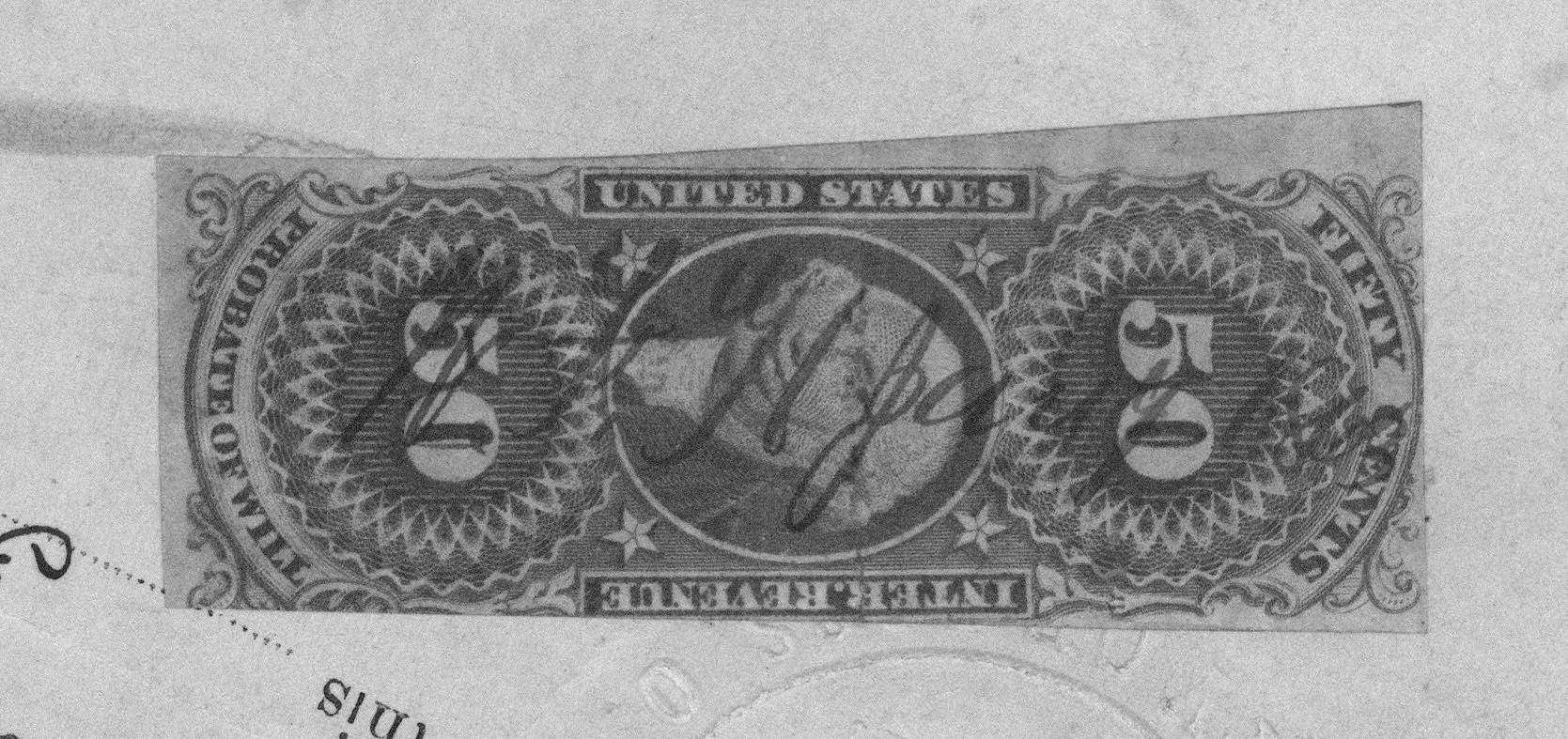
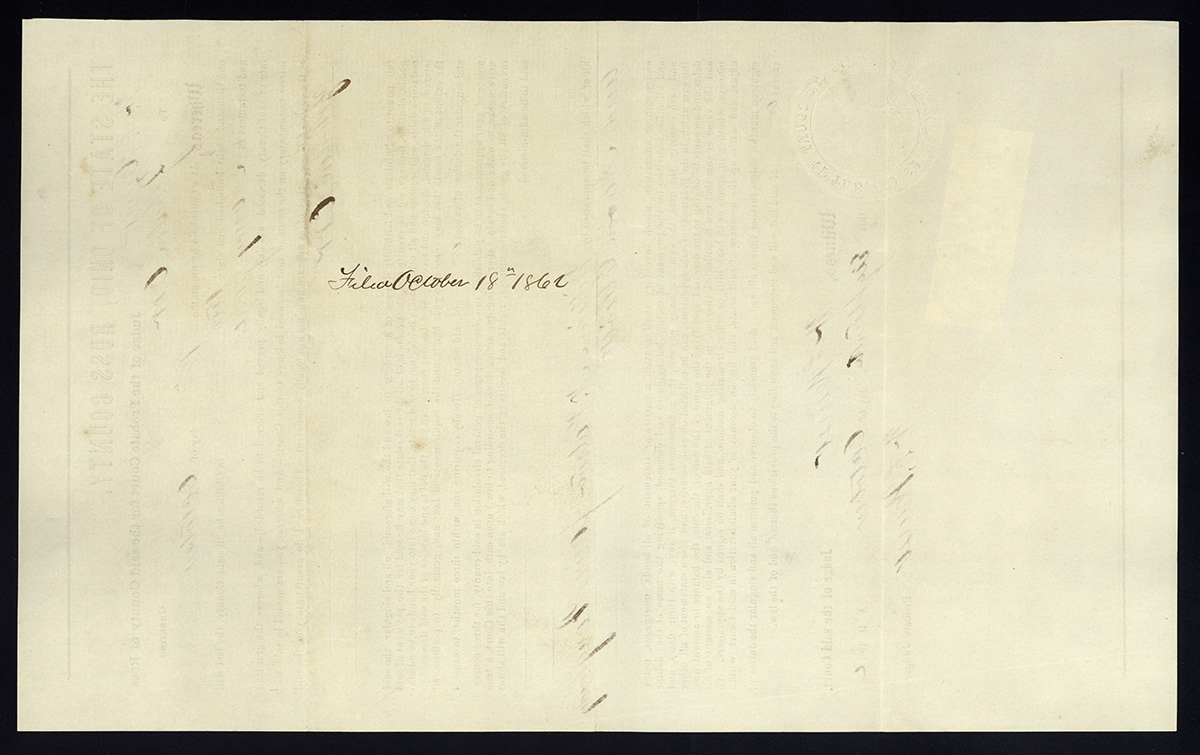
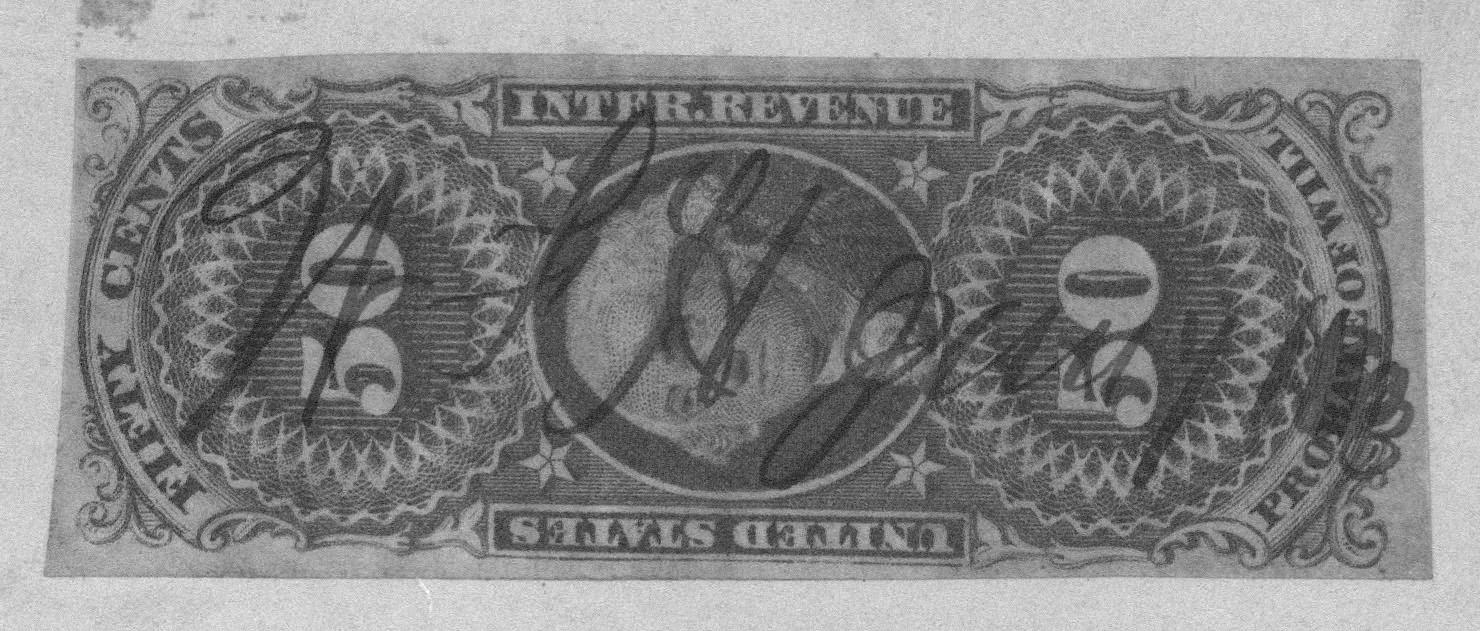
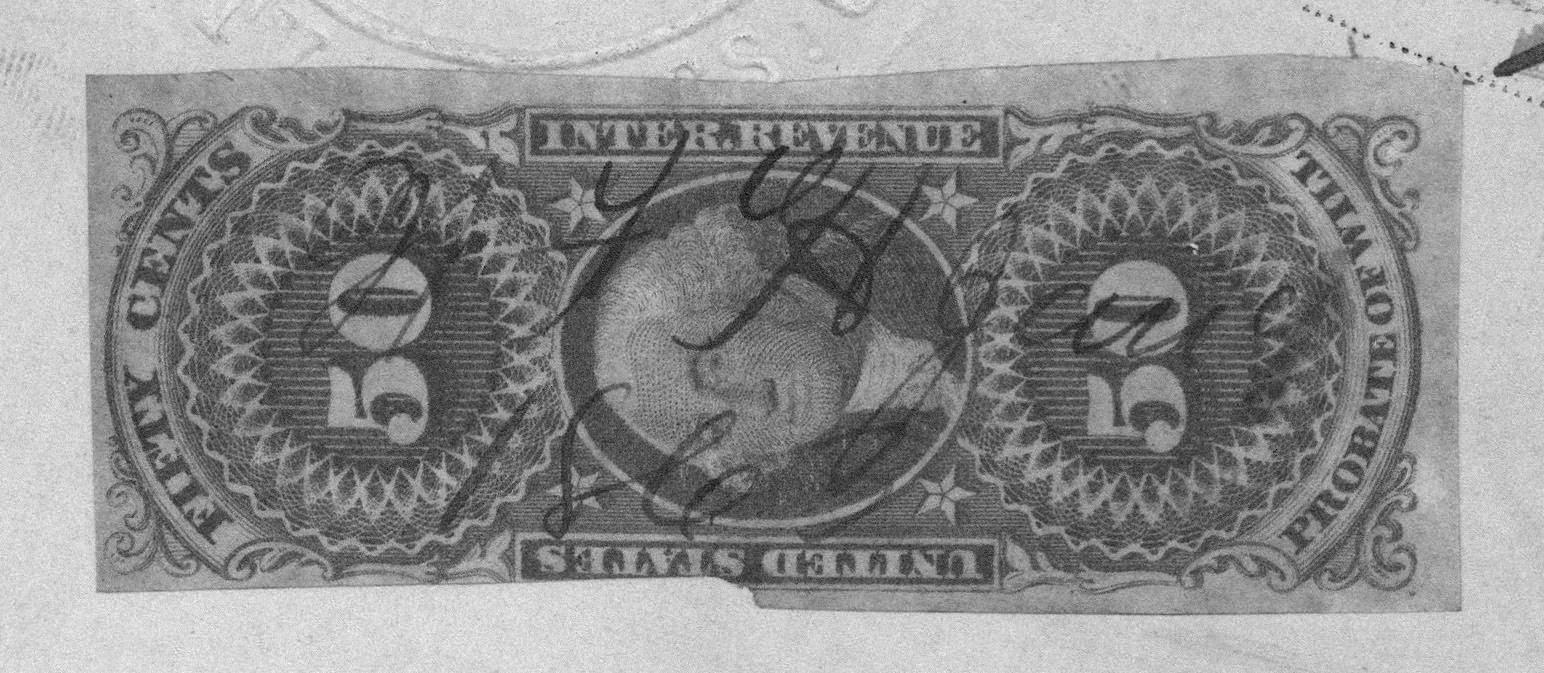
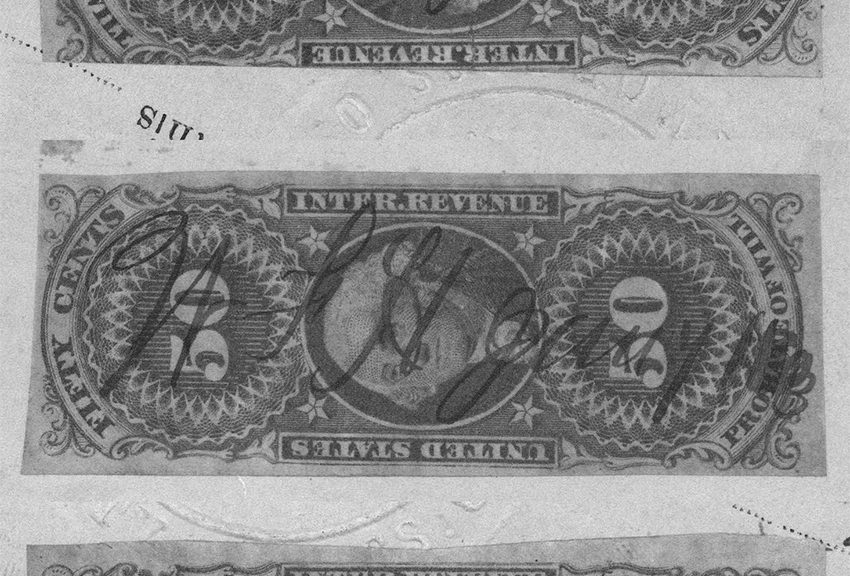
The document filing dates are the same as the transaction dates on all 3 documents, so they weren’t filed after the fact. I then looked at the manuscript cancels, which are REALLY tough to make out… enter ImageSleuth (https://www.thestampweb.com/imagesleuth), which has become indespensible following the shutdown of RetroReveal.
I ran the 3 stamps through ImageSleuth, and sure enough, the stamps were affixed after the fact, the initials being those of the original judge in question. It appears that all 3 documents had stamps affixed on the same date, presumably once they received stock, either January 7 or January 9, 1863… still earlier than the previously recorded date, just not as early as the document dates implied.
So even though they didn’t wind up being exactly what I’d hoped, they are still significant IMO.